
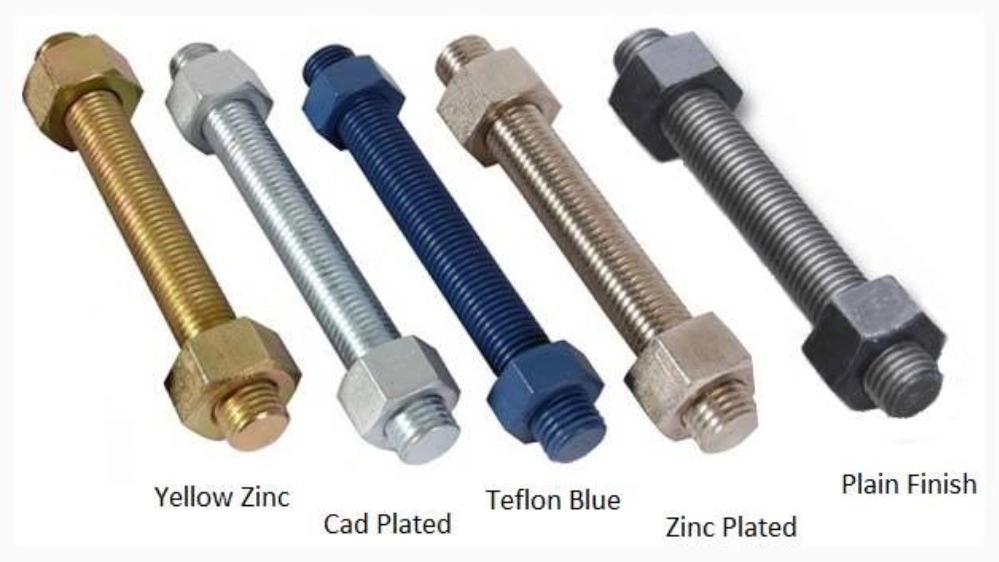
What is the production of industrial refractory beads?
Why is the production of industrial refractory beads important?
- Very high heat resistance
- Heavy pressure bearing
- Oxidation resistance
- Corrosion resistance
- Long service life
- Reduced maintenance costs
- Stable performance in harsh industrial conditions
Characteristics of industrial refractory beads
Very high temperature resistance
Resistance to thermal shock
High mechanical strength
Corrosion resistance
Alloys used in the production of industrial refractory beads
- Steel 304
- Steel 316
- Steel 310
- Steel 321
- Steel 309
- Inconel
- Monel
- Hestelloy
- Alloy refractory steels
Applications of industrial refractory bead production
Oil and gas industries
Petrochemical industries
power plants
Steel industries
Cement industries
Glass industry
Ceramic industries
Automotive industry
Stages of production of industrial refractory beads
Choosing the right alloy
Cutting raw materials
Forging or machining
Heat treatment
threading
Quality control
Advantages of buying directly from the manufacturer
- Reasonable price
- Elimination of middlemen
- Quality assurance
- Possibility of exclusive order
- Fast delivery
- Expert consultation
- After sales service
Why Poladan Sazeh?
- Production according to industrial standards
- Using the best alloys
- Exact quality control
- Competitive price
- Shipping all over the country
- Customized production
- Fast delivery
- Free consultation before purchase
Factors affecting the price of industrial refractory beads
- Alloy type
- Nut dimensions
- Thread type
- Resistance class
- Order amount
- Production method
- Raw material cost
- Manufacturing standard
Important points when buying industrial refractory beads
- checking the type of alloy
- choosing the appropriate standard
- dimensional accuracy
- thread quality
- thermal resistance
- corrosion resistance
- manufacturer brand
- quality certificate
Industrial refractory bead production standards
- DIN
- ASTM
- ISO
- ANSI
- ASME
How to choose the best industrial refractory nut?
- Working temperature
- Pressure level
- Environment type
- Fluid type
- Humidity level
- Used screw type
- Installation conditions